2026 Diet Guide for Men on Testosterone Therapy
Testosterone is the high-performance fuel your body has been missing, but without the right nutritional framework, you're essentially redlining a broken engine. Many men start hormone replacement expecting an overnight transformation, only to find themselves struggling with stubborn belly fat, lingering brain fog, or the anxiety of water retention. It's discouraging to take the proactive step toward restoration and still feel like your progress is stalled by your own metabolism.
You deserve a strategy that treats your nutrition as the essential manual for the medications delivered to your door. This guide reveals the exact diet plan for men on testosterone therapy required to stabilize your energy, manage estrogen levels, and amplify your physical results. We've built this framework to align with the latest 2026 clinical data and telehealth standards, ensuring your internal chemistry supports your external goals.
We'll explore how to use professional bloodwork to identify micronutrient gaps, the specific protein targets needed for accelerated muscle gain, and the blood sugar management techniques that eliminate mid-day crashes. This is the roadmap to move beyond generic advice and toward a personalized, high-level approach to your health.
Table of Contents
Why Your Diet is the Multiplier for TRT Success
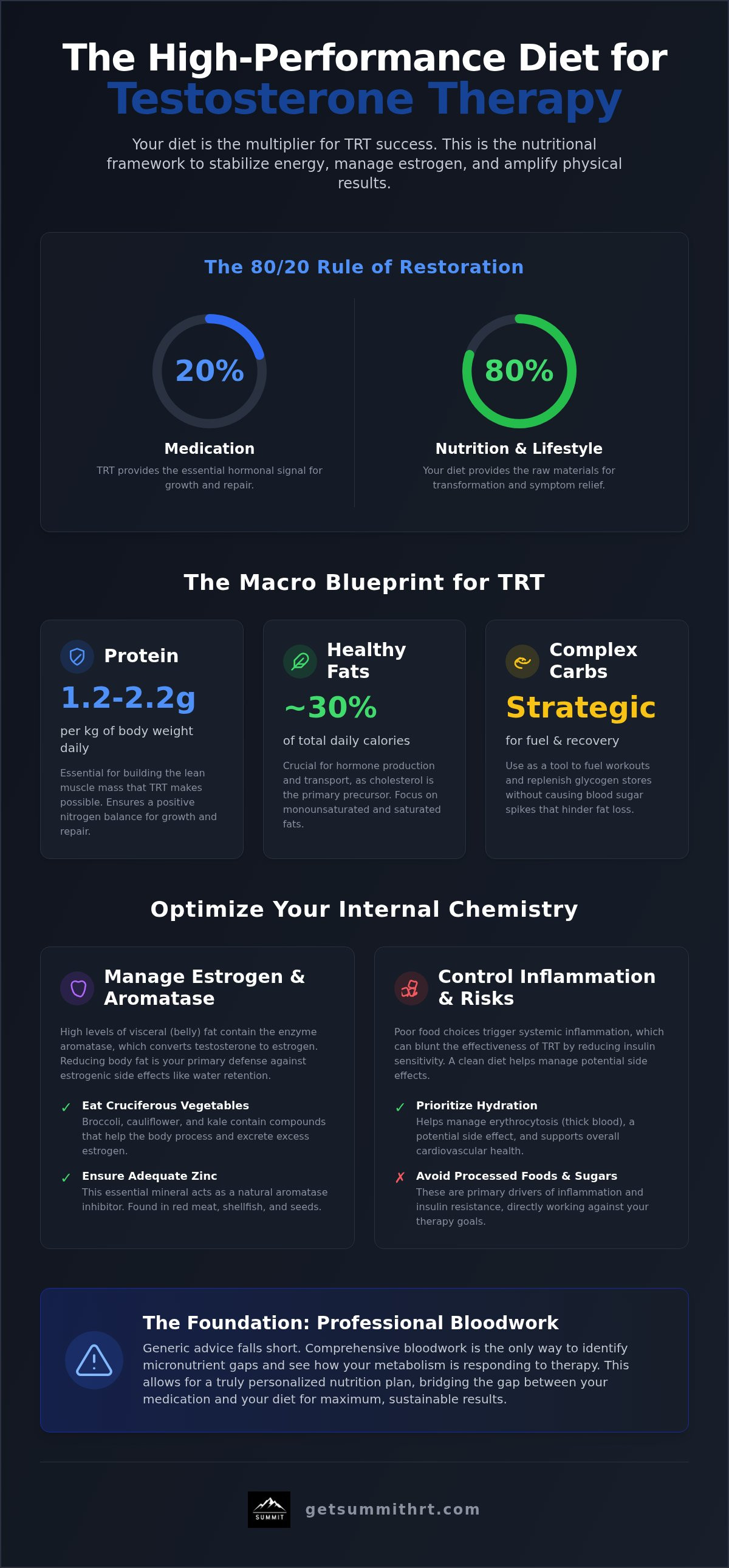
Exogenous testosterone provides the signal for growth and repair, but your body cannot execute those commands without a high-performance metabolic environment. We often refer to this as the 80/20 rule of restoration. While the medication handles the hormonal baseline, your daily nutrition accounts for the vast majority of your physical transformation and symptom relief. Without a structured diet plan for men on testosterone therapy, you risk "wasting" the potential of your protocol. Poor food choices trigger systemic inflammation; this often blunts the effectiveness of your treatment by reducing insulin sensitivity. When your cells are insulin-resistant, testosterone has a harder time reaching the androgen receptors where it performs its vital work.
Transitioning from a standard diet to a hormone-optimization framework isn't about restriction. It's about empowering your body to use the resources it finally has. By focusing on nutrient density and metabolic health, you ensure that every milligram of therapy translates into the energy, muscle, and clarity you expect. This proactive approach moves you away from the frustration of slow progress and toward a state of reclaimed vitality.
The Science of Hormonal Synergy
Once you begin treatment, your basal metabolic rate naturally climbs. Your body enters a state of heightened repair, which significantly increases your daily protein requirements. If you don't provide enough amino acids, your body won't have the building blocks to create the lean muscle TRT makes possible. There's also the critical issue of visceral fat. This specific type of body fat contains high levels of aromatase, an enzyme that converts your new testosterone into estrogen. By using nutrition to reduce body fat, you effectively lower your risk of estrogen spikes and unwanted water retention. Metabolic synergy is the deliberate alignment of nutritional intake and hormonal therapy to maximize physiological outcomes.
Moving Beyond the 'Magic Bullet' Mentality
Some men mistakenly view injections as a license to ignore their nutritional discipline. This "magic bullet" mindset is the fastest way to encounter avoidable side effects. For example, therapy can sometimes cause erythrocytosis, a condition where your blood becomes too thick. A clean, hydration-focused diet helps manage this risk and keeps your cardiovascular system protected. Gaining a foundational Androgen Replacement Therapy Overview is helpful for context, but applying that knowledge requires a personalized approach. This is why a comprehensive bloodwork analysis is the first step in our process. It allows us to see exactly how your metabolism is responding so we can refine your diet plan for men on testosterone therapy for maximum results.
The Macro Blueprint: Protein, Fats, and Carbs for Men on TRT
Establishing a precise diet plan for men on testosterone therapy requires a shift in how you view food. Instead of seeing calories as a simple number, you must view them as the architecture of the physique your therapy is now making possible. While TRT provides the hormonal blueprint for a leaner, more muscular physique, these macronutrients provide the actual raw materials required to build that new reality. Without the right balance, your body may struggle to capitalize on the increased metabolic potential your treatment provides.
Protein is non-negotiable for anyone on a hormone optimization protocol. To sustain the muscle-building environment your therapy creates, you should aim for a daily intake of 1.2 to 2.2 grams of protein per kilogram of body weight. This range ensures your nitrogen balance remains positive, which is essential for preventing muscle wasting and encouraging the growth of new, lean tissue. This isn't just about size; it's about metabolic health and structural integrity.
Dietary fats are equally critical because they serve as the chemical messengers of the body. You should avoid the "low-fat" trap that many traditional diets promote. Monounsaturated and saturated fats are necessary because cholesterol is the primary precursor for hormone production and transport. Cutting fats too low can impair your results and lead to unnecessary fatigue. Similarly, carbohydrates should be used as a strategic tool for recovery. By focusing on complex sources, you can fuel your workouts without causing the massive insulin spikes that lead to unwanted fat storage.
Hydration is the final, often overlooked, component of your macro blueprint. Water acts as the primary transporter for hormones and nutrients throughout your bloodstream. Even mild dehydration can slow down your metabolic efficiency and dull the cognitive clarity you expect from your therapy. Keeping your fluid intake high ensures that your blood remains at an optimal viscosity for nutrient delivery.
Prioritizing High-Quality Protein Sources
Quality matters as much as quantity when selecting your protein. Focus on sources rich in leucine, an essential amino acid that acts as a primary trigger for muscle protein synthesis. Grass-fed beef, wild-caught fish, and pasture-raised eggs are the gold standard for bioavailability and nutrient density. If you prefer plant-based options, combine sources like lentils and quinoa to ensure you're getting a complete amino acid profile. This targeted approach helps manage the Potential Benefits and Risks of TRT by supporting heart health and metabolic stability.
Fats and Carbs: The Fueling Strategy
Your fueling strategy should prioritize long-term stability over short-term intensity. Incorporating healthy fats from avocados, olive oil, and nuts provides the sustained energy needed for efficient hormone transport. When you select carbohydrates, choose fiber-rich options like sweet potatoes and oats to prevent the mid-day energy crash. By utilizing trt therapy alongside these nutritional choices, you can effectively shift your body composition toward higher lean mass and lower fat. If you're ready to see how these adjustments fit your unique profile, a personalized hormone assessment can provide the clarity you need to move forward.
Managing Estrogen and Inflammation Through Micronutrients
While macros provide the foundation, micronutrients act as the precision tuning for your internal chemistry. A successful diet plan for men on testosterone therapy must prioritize estrogen management to prevent unwanted side effects like water retention or mood swings. Cruciferous vegetables, such as broccoli, cauliflower, and kale, are essential because they contain Diindolylmethane (DIM). This compound supports the healthy metabolism of estrogen, ensuring your body maintains an optimal balance even as your testosterone levels rise. By incorporating these vegetables into your daily rotation, you use food as a natural aromatase inhibitor.
Zinc and magnesium are the "engine room" minerals that support free testosterone levels. Zinc helps inhibit the aromatase enzyme, while magnesium reduces the binding of testosterone to Sex Hormone Binding Globulin (SHBG). By keeping more testosterone "free" in your system, these minerals ensure the therapy is actually available for your tissues to use. Incorporating elements of the Mediterranean Diet for Hormonal Health provides a rich source of these minerals through whole grains, nuts, and leafy greens. This whole-food approach reduces systemic inflammation, which is critical because chronic inflammation can blunt the positive effects of your protocol.
Fiber is another non-negotiable component, with a target of 35 to 40 grams daily. High fiber intake is critical for clearing excess hormones that have already been processed by the liver. Dietary fiber binds to estrogen in the digestive tract for excretion, preventing it from being reabsorbed into the bloodstream. This natural clearance system is often the missing piece for men struggling with lingering TRT side effects like bloating or skin issues.
Protecting your TRT investment also means limiting "silent killers" like alcohol and processed sugars. Alcohol can increase aromatization and stress the liver, which is the primary site for hormone metabolism. High sugar intake leads to insulin spikes that promote fat storage, which in turn creates more aromatase enzymes. By cutting these out, you clear the path for your therapy to deliver maximum results without metabolic interference.
Natural Estrogen Management
Managing the estrogen-to-testosterone ratio requires both addition and subtraction. While adding DIM-rich foods is vital, you must also avoid the "estrogen trap" of soy-heavy processed foods. These products often contain phytoestrogens that can mimic the hormone in the body, potentially complicating your protocol. Fiber binds to estrogen in the digestive tract for excretion. By sticking to whole, unprocessed foods, you protect your hormonal baseline and ensure your medication works exactly as intended.
The TRT Vitamin Stack
Your nutritional strategy should also include a targeted vitamin stack to address potential deficiencies. Vitamin D3 is technically a hormone rather than a vitamin, and it's critical for bone density and immune function. It also plays a significant role in are peptides good for you synergy, as optimized vitamin levels enhance the effectiveness of integrated peptide therapies. Omega-3 fatty acids from fish oil further support this by reducing systemic inflammation. We recommend using comprehensive bloodwork to identify your specific gaps, allowing for a truly personalized supplementation plan.
The 2026 Sample TRT Meal Plan: A Day of Performance
Moving from nutritional theory to daily execution is where most men find their greatest success. A structured diet plan for men on testosterone therapy isn't just about hitting numbers; it's about timing your intake to support your body's fluctuating needs. By aligning your meals with your hormonal rhythm, you can minimize side effects like water retention while maximizing the muscle-building signal that therapy provides. This sample day illustrates how to fuel your body for both immediate energy and long-term restoration.
For lunch, focus on lean mass maintenance. A large bowl of mixed greens topped with six to eight ounces of grilled turkey breast or lean chicken provides the necessary amino acids without heavy fats that can cause afternoon lethargy. Include a variety of colorful vegetables to ensure a broad spectrum of phytonutrients. Snacking should be handled with caution; avoid the processed, high-sugar options that trigger insulin spikes. Instead, opt for a handful of raw almonds or a hard-boiled egg to keep your blood sugar stable and your fat-burning pathways active throughout the afternoon.
The 'Hormone-First' Breakfast
Start your day with a high-protein, high-fat meal to anchor your morning energy and suppress cortisol. A three-egg omelet filled with fresh spinach, mushrooms, and two ounces of smoked salmon provides a dense hit of leucine and omega-3 fatty acids. While some men prefer intermittent fasting, skipping breakfast can be detrimental for TRT patients who struggle with mid-morning fatigue or muscle catabolism. Including a side of Greek yogurt with a tablespoon of chia seeds supports gut-hormone health, which is essential for the efficient processing and transport of your medication. This combination ensures your metabolism is primed for repair from the moment you wake up.
Strategic Evening Recovery
Evening nutrition should focus on recovery and preparing your body for deep, restorative sleep. A serving of grilled bison or wild-caught cod paired with a medium sweet potato and a bunch of roasted asparagus provides the perfect balance of micronutrients. The evening is actually the best time for your highest carbohydrate serving. These strategic complex carbs help facilitate the transport of tryptophan into the brain, which supports the production of melatonin. Additionally, bison and asparagus are rich in magnesium, a mineral that improves sleep quality and helps prevent the muscle cramps sometimes associated with new TRT protocols. If you're ready to see how a tailored protocol can transform your daily performance, you can start your journey with a professional consultation today.
Summit Rejuvenation: Integrated Nutrition and Telehealth TRT
Summit Rejuvenation simplifies the transition from theory to practice by providing a unified platform for your restoration. Our telehealth model ensures you don't have to manage your progress in isolation. We ship your medications directly to your home, which removes the logistical hurdles that often lead to inconsistent results. This streamlined approach allows you to focus entirely on implementing your diet plan for men on testosterone therapy while our medical team monitors your biological markers through periodic check-ins.
Comprehensive bloodwork serves as the foundation for every adjustment we make. Instead of guessing which nutrients you might be missing, we use your lab results as a literal roadmap for your nutritional journey. If your markers show elevated inflammation or suboptimal mineral levels, we refine your strategy to address those specific gaps. This level of precision ensures that your daily intake and your clinical therapy work in perfect synchronization to optimize your results.
Combining TRT with Weight Loss Peptides
Many men find that stacking hormone therapy with peptides for weight loss provides the metabolic breakthrough they've been seeking. GLP-1 peptides are particularly effective for body recomposition, but they fundamentally change your caloric and protein requirements. Because these peptides significantly suppress appetite, you must be even more diligent about protein density. This ensures you don't lose muscle mass while operating at a caloric deficit. Our providers help you navigate this balance, ensuring your hormones and peptides work together safely to accelerate fat oxidation without compromising your strength.
Getting Started with a Personalized Plan
Accessing expert medical oversight shouldn't be a complicated or frustrating process. Our hrt online consultations allow you to speak with knowledgeable specialists from the comfort of your home. The first step is booking your initial bloodwork to identify your specific baseline and any underlying deficiencies your diet needs to fix. This data-driven approach removes the trial and error that plagues most traditional fitness journeys.
Reclaiming your vitality is a collaborative process between you and your medical team. By combining precision medicine with a structured nutritional framework, you're doing more than just treating a symptom. You're building a sustainable foundation for long-term health and peak performance. It's time to stop settling for "normal" and start the work of restoring your true potential.
Take Command of Your Physical Evolution
Hormone therapy provides the spark, but your daily choices determine how bright that flame burns. By mastering a structured diet plan for men on testosterone therapy, you've moved beyond the "magic bullet" mentality and toward a comprehensive strategy for restoration. You now understand how protein targets protect your lean mass and how specific micronutrients manage the aromatization process. This precision ensures that every milligram of therapy is optimized for your unique biology.
You don't have to navigate this journey alone. Summit Rejuvenation provides the high-level expertise required to bridge the gap between clinical treatment and lifestyle execution. With expert medical consultations via telehealth and comprehensive bloodwork analysis included in your care, we ensure your protocol is always based on data rather than guesswork. We even ship your medications directly to your door to keep your progress seamless and convenient.
Start your personalized TRT and nutrition journey with Summit Rejuvenation today. Reclaiming your vitality is possible, and it starts with a single, proactive decision to prioritize your health and performance.
Frequently Asked Questions
Can I drink alcohol while on TRT and a diet plan?
You should limit alcohol consumption to protect your hormonal balance and liver health. Alcohol increases the activity of the aromatase enzyme, which converts your testosterone into estrogen. This can lead to unwanted side effects like bloating or mood swings. Additionally, alcohol is high in empty calories that can derail your diet plan for men on testosterone therapy by promoting visceral fat storage. Keeping intake to a minimum ensures your therapy remains effective and your metabolism stays focused on fat oxidation.
How much protein do I really need to build muscle on testosterone?
To maximize muscle protein synthesis, you should aim for a daily intake of 1.2 to 2.2 grams of protein per kilogram of body weight. Testosterone therapy increases your body's ability to utilize amino acids for repair and growth, making this higher intake necessary. Focus on high-quality sources like grass-fed beef, eggs, and wild-caught fish. Consistently hitting these targets ensures you provide the structural building blocks your body requires to transform your physique and support your increased metabolic rate.
Do I need to take extra supplements if I'm eating a TRT-optimized diet?
Supplements are not a replacement for whole foods, but they can bridge specific nutritional gaps identified through comprehensive bloodwork. Common additions include Vitamin D3 for bone health and Omega-3 fatty acids to manage systemic inflammation. Zinc and magnesium are also valuable for supporting free testosterone levels. However, you should only add supplements based on your individual needs. Our telehealth consultations help you identify which vitamins or peptides will best complement your nutritional framework and clinical protocol.
Will a high-carb diet cause my estrogen to spike on TRT?
Carbohydrates don't directly cause estrogen spikes, but their effect on insulin can indirectly influence your hormone levels. High intake of simple sugars leads to frequent insulin spikes, which encourages the storage of visceral fat. This type of fat contains the aromatase enzyme responsible for converting testosterone into estrogen. By choosing complex carbohydrates like sweet potatoes or oats, you maintain stable blood sugar levels. This strategy prevents the metabolic environment that typically leads to excess estrogen conversion.
Is intermittent fasting recommended for men on testosterone therapy?
Intermittent fasting can be effective for fat loss, but it requires careful planning to prevent muscle catabolism. While on therapy, your body is in a constant state of repair and requires a steady supply of amino acids. If you choose to fast, you must ensure you hit your full protein and calorie targets within your feeding window. Some men find that a consistent diet plan for men on testosterone therapy with multiple high-protein meals better supports their energy levels and muscle-building goals throughout the day.
What are the best foods to lower hematocrit levels naturally?
Proper hydration is the most effective way to manage hematocrit levels naturally. Drinking at least three to four liters of water daily keeps your blood at an optimal viscosity. Some clinical observations suggest that naringin, a compound found in grapefruit, may help lower hematocrit by encouraging the clearance of old red blood cells. However, you should consult with your provider before adding grapefruit to your diet, as it can interfere with the metabolism of certain medications.
Can diet help reduce the water retention often seen when starting TRT?
Yes, adjusting your sodium and potassium balance can significantly reduce initial water retention. High sodium intake causes the body to hold onto fluids, which is often exacerbated when hormone levels are first being optimized. Increasing your intake of potassium-rich foods like avocados, spinach, and bananas helps your body flush out excess salt. Natural diuretics such as asparagus and dandelion root tea can also assist in maintaining a leaner, less bloated appearance during the early stages of your protocol.
How does caffeine affect testosterone levels and energy on therapy?
Moderate caffeine consumption generally doesn't negatively impact testosterone levels and can provide a beneficial energy boost. However, excessive caffeine intake can spike cortisol, the body's primary stress hormone. Chronic high cortisol levels can eventually blunt the effectiveness of your therapy and lead to adrenal fatigue. It's best to use caffeine strategically before workouts rather than relying on it for all-day energy. This approach ensures you stay alert without disrupting your hormonal balance or sleep quality.


Comments